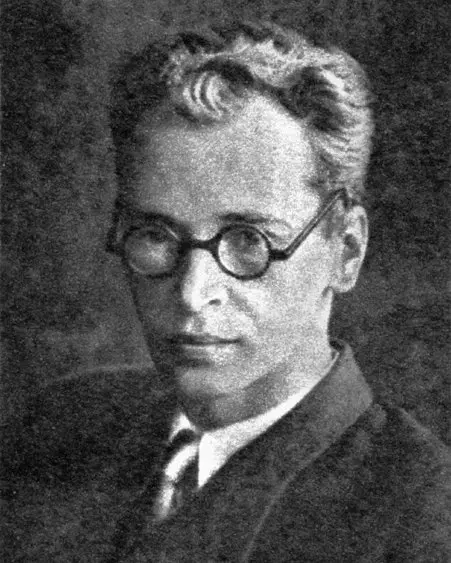
Jerzy Andrzejewski
The author of “Ashes and Diamonds” went from Catholic novelist to communist to dissident – and wrote about desire between men.
Jerzy Andrzejewski grew up in Warsaw and made his name before the Second World War as a Catholic novelist. During the German occupation he was active in the underground cultural life of Warsaw. His story “Holy Week”, about the Warsaw Ghetto Uprising, was one of the first works of Polish literature to confront the fate of the Jews.
His novel “Ashes and Diamonds” (1948), about a young resistance fighter in the first days after the war, became a classic, not least through Andrzej Wajda’s film adaptation of 1958. After the war Andrzejewski joined the Communist Party, but broke with it in 1957 and became one of the leading critics of the regime. In 1976 he was among the founders of the Workers’ Defence Committee (KOR), a forerunner of the Solidarity movement.
Andrzejewski’s homosexuality was known in literary circles. In later works such as the novel “The Gates of Paradise” (1960), told in a single sentence, and in his diaries he wrote about desire between men – at a time when this was hardly possible in Polish literature.
He died in Warsaw in 1983, aged 73.