- Born
- 1 September 1864Dublin, Ireland
- Died
- 3 August 1916London, United Kingdom · aged 51
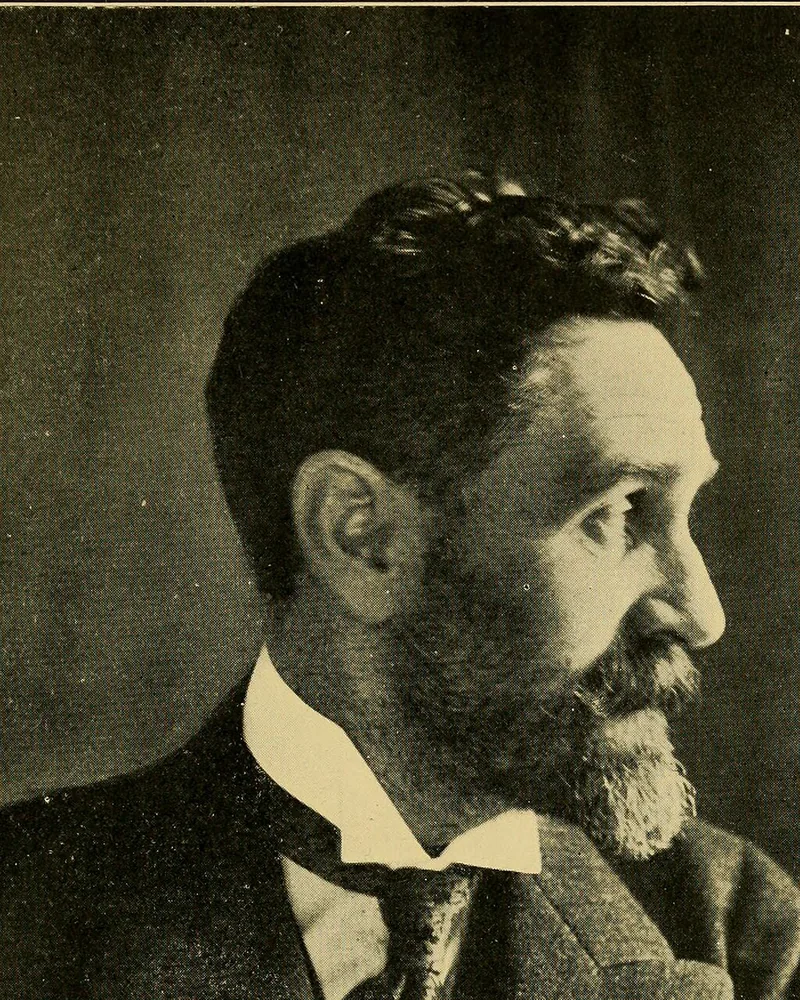
Roger Casement
He exposed colonial atrocities in the Congo and the Amazon – and when he was sentenced to death, his diaries were used to destroy the campaign to save him.
Roger Casement was born near Dublin and lost both parents as a child. At 16 he started work for a shipping company in Liverpool, and at 20 he went to the Congo. From 1891 he served as a British consul in Africa and later in South America.
His investigations made him world-famous. His 1904 report on the brutal forced labour in King Leopold II’s Congo Free State shocked the public, as did his later report on the abuse of Indigenous workers in the rubber industry in the Peruvian Amazon. He is regarded as a pioneer of modern human rights investigations and was knighted in 1911.
The experience of colonial violence turned Casement against the British Empire. He became an Irish nationalist and during the First World War sought German support for an Irish uprising. In April 1916 he was arrested on landing in Ireland from a German submarine, tried for high treason and sentenced to death.
Prominent figures such as Arthur Conan Doyle and George Bernard Shaw campaigned for clemency. To undermine them, the British government circulated extracts from his private diaries, the “Black Diaries”, which described sexual encounters with men. Support collapsed, and Casement was hanged in London on 3 August 1916, aged 51. For decades Irish nationalists dismissed the diaries as forgeries; a forensic study in 2002 concluded they were genuine, though some scholars still dispute this. In 1965 his remains were returned to Ireland for a state funeral.