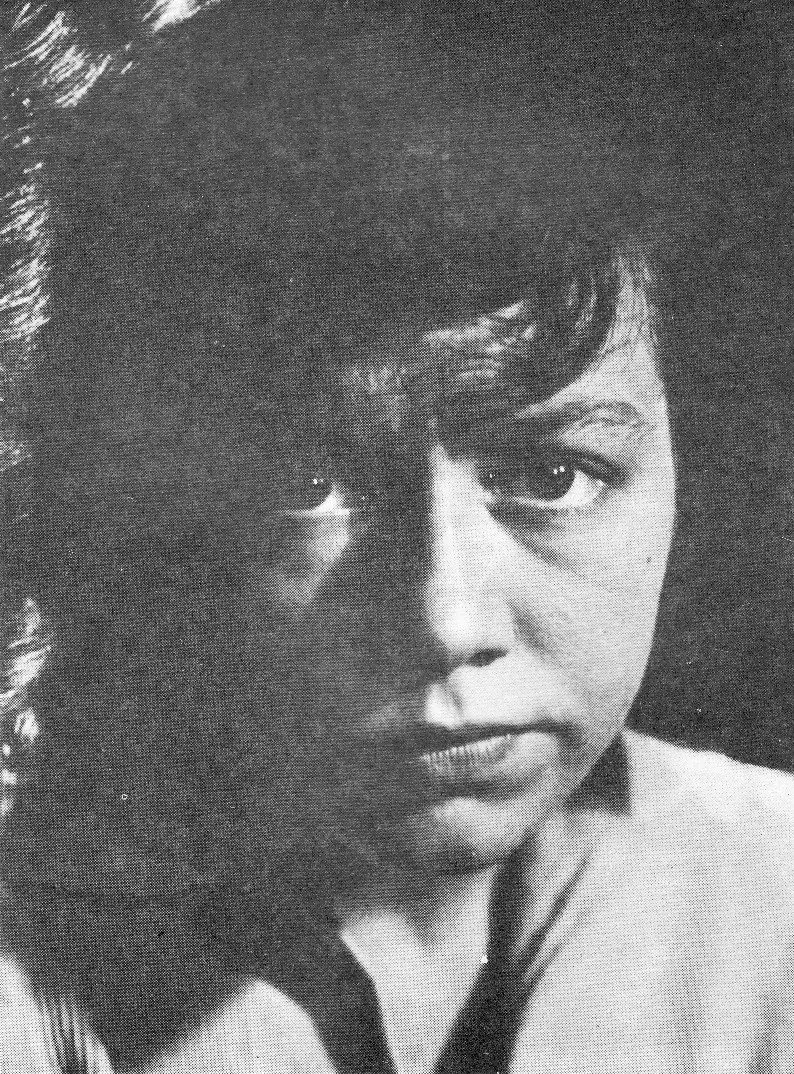
- Born
- 29 April 1936Avellaneda, Argentina
- Died
- 25 September 1972Buenos Aires, Argentina · aged 36
Alejandra Pizarnik
Her brief, intense poems made silence, desire and the limits of language central to Argentine poetry.
Alejandra Pizarnik was born in Avellaneda, Argentina, in 1936. Her Jewish parents had emigrated from Eastern Europe. She studied literature, philosophy and painting, and published her first poetry collection at nineteen.
Between 1960 and 1964 she lived in Paris, working as a translator and contributing to literary journals. Her circle included Julio Cortázar and Octavio Paz, who wrote the preface to “Árbol de Diana” (Diana’s Tree, 1962). Its short, concentrated poems explore childhood, absence and the difficulty of finding words for experience.
Back in Argentina she published “Los trabajos y las noches” (1965) and “Extracción de la piedra de locura” (1968). Her prose work “La condesa sangrienta” (1971) retold the story of the Hungarian countess Erzsébet Báthory. Guggenheim and Fulbright fellowships recognised her work.
Pizarnik’s diaries and correspondence reveal her desire for women as well as her struggles with depression. These private writings add another dimension to poems in which the self is often elusive or divided. She died in 1972, aged 36, after taking an overdose of sleeping pills. Her work has continued to reach readers through new editions and translations.