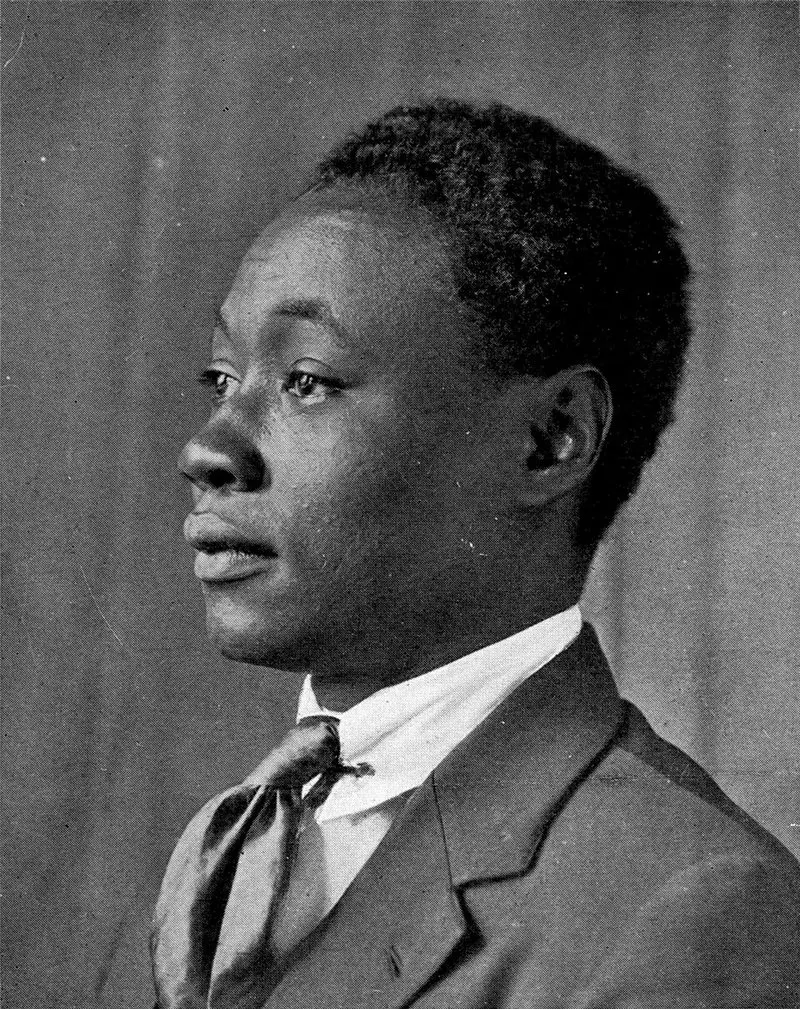
- Born
- 15 September 1889Clarendon Parish, Jamaica
- Died
- 22 May 1948Chicago, Illinois, USA · aged 58
Claude McKay
His poetry of resistance and fiction about Black life made him a central voice of the Harlem Renaissance.
Claude McKay was born in Clarendon Parish, Jamaica, in 1889. He published poems in Jamaican dialect before moving to the United States in 1912, where his experience of racism sharpened the political direction of his writing.
His sonnet “If We Must Die” (1919) answered the violence of the Red Summer with a call for resistance and dignity. “Harlem Shadows” (1922) helped establish the literary world associated with the Harlem Renaissance, combining formal verse with the lives of people often excluded from respectable representation.
The novel “Home to Harlem” (1928) reached a large readership with its energetic portrayal of Black urban life. McKay also travelled to the Soviet Union and spent years in France and Morocco. His writing approached race and belonging across national borders rather than through the United States alone.
McKay had relationships with women and men. Scholars have traced queer desire through his correspondence, poetry and fiction, including texts whose sexual meanings were less explicit to earlier readers. He died in Chicago in 1948. Later publication and renewed study of his work have continued to broaden the picture of his literary career.