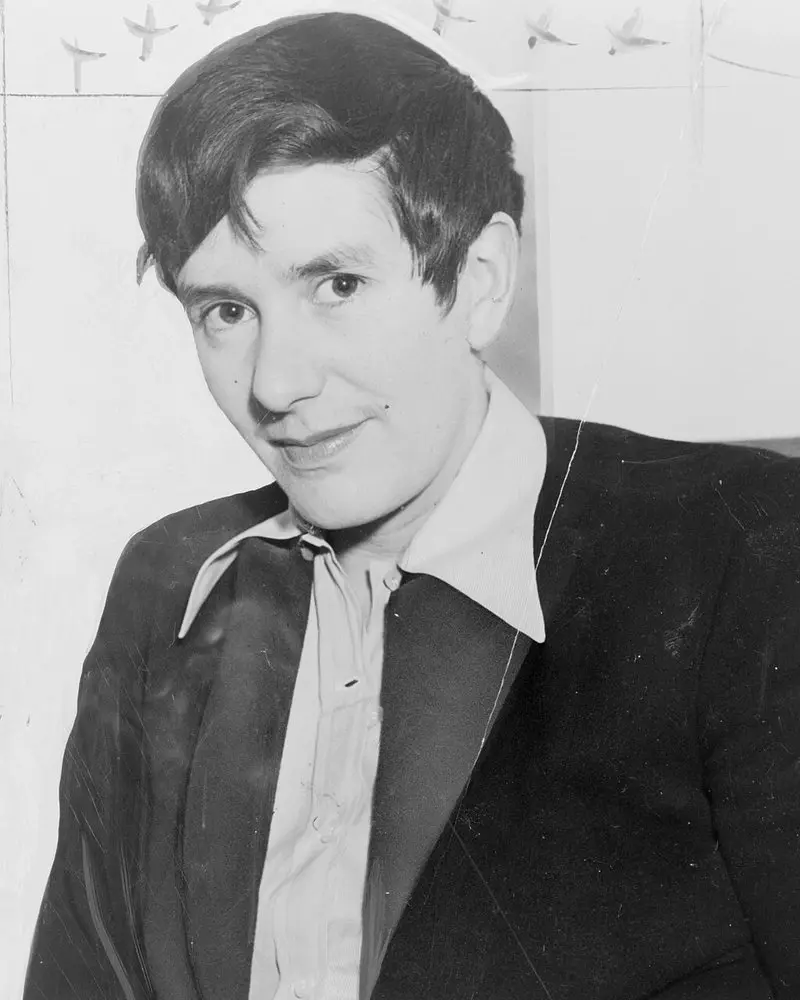
- Born
- 9 November 1905Munich, Germany
- Died
- 27 August 1969Zurich, Switzerland · aged 63
Erika Mann
She carried political cabaret into exile and turned writing, broadcasting and reporting into forms of resistance, while maintaining a private life beyond conventional expectations.
Erika Mann was born in Munich in 1905. The eldest daughter of Thomas Mann, she grew up in a family whose literary reputation brought opportunities and expectations of its own. She became an actor and writer, developing a working life that moved between the stage, journalism and political argument.
Travel with her brother Klaus supplied material for their joint writing and widened their view beyond Germany. Their closeness became a sustained professional collaboration as well as a family bond. Mann’s relationships included actor Therese Giehse; her brief marriage to Gustaf Gründgens belonged to an intimate life that resisted a conventional public outline.
In January 1933 she helped establish the political cabaret “Die Pfeffermühle” in Munich with Klaus, Giehse and composer Magnus Henning. She wrote much of its material and performed in it. Satire, song and theatrical character offered ways to address injustice without adopting the form of a political lecture.
After the Nazis took power, the company continued in exile, resuming performances in Zurich. More than a thousand European performances carried its opposition to Hitler across national borders. The cabaret required continuing organisation and an audience willing to listen, making resistance a practical undertaking as well as a declared position.
The regime deprived Mann of German citizenship in 1935. Her marriage that year to the gay English poet W. H. Auden secured British citizenship and made travel possible. It was a practical arrangement between two people whose intimate lives lay elsewhere. A legal institution commonly associated with domestic conformity became a means of preserving freedom of movement.
In the United States she developed a successful career as a lecturer, explaining National Socialism to audiences far from Europe. “School for Barbarians” examined the Nazi shaping of children’s education. Other books written with Klaus considered exile and the possibility of a Germany beyond the regime.
During the war Mann worked for the BBC and as a correspondent for Allied publications and organisations. She reported from several theatres of war and later covered the Nuremberg trials. Broadcasting and reportage extended the work of the cabaret into forms suited to a conflict whose consequences demanded international attention.
Her later years included close collaboration with her father, followed by the editing and management of his literary legacy. She also worked to preserve Klaus’s memory after his death. Those responsibilities have sometimes overshadowed the range of her own writing and public activity.
Mann died in Zurich on 27 August 1969, aged 63. Her career joins performance to political explanation: the ability to hold an audience, expose a dangerous assumption and carry an argument across languages and borders, even when exile had removed the ground on which the work began.