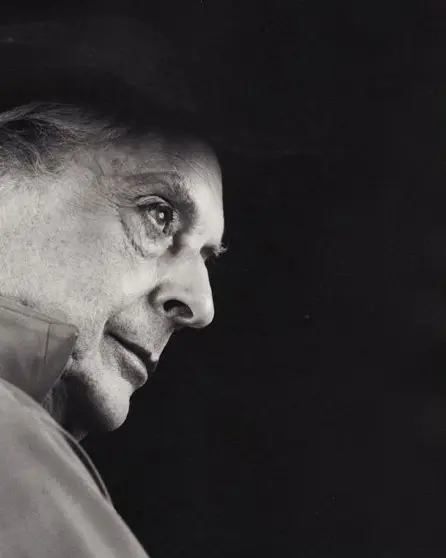
- Born
- 25 December 1908Sutton, England
- Died
- 21 November 1999Manchester, England · aged 90
Quentin Crisp
With dyed hair and make-up in 1930s London, Crisp defied a hostile world – and became a queer icon with “The Naked Civil Servant”.
Quentin Crisp was born Denis Pratt in a suburb of London. From the 1930s, Crisp walked the streets of London with dyed red hair, make-up and painted nails – at a time when this provoked violence. Crisp was beaten up repeatedly, but refused to change. For over thirty years Crisp earned a living as a model for life drawing classes at art schools.
In 1968 Crisp published the memoir “The Naked Civil Servant”. The 1975 television film based on it, with John Hurt in the leading role, made Crisp famous. Crisp then toured with a one-person show of witty observations on style, manners and life, and in 1981 moved to New York, where Crisp became a celebrity. Sting’s song “Englishman in New York” is about Crisp.
Crisp was often provocative and sometimes harsh towards the gay rights movement, and some remarks about AIDS caused outrage. Late in life Crisp told friends that she felt she was a woman and would have transitioned if it had been possible; today Crisp is often referred to as a trans woman.
Crisp died in 1999 in Manchester, on the way to a performance, aged 90.