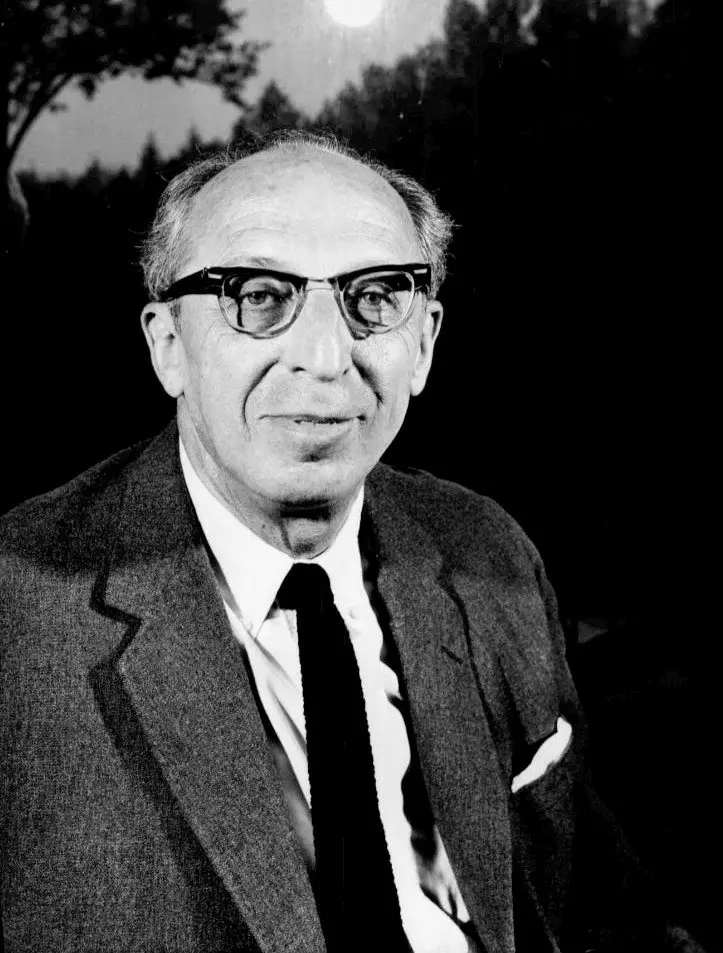
- Born
- 14 November 1900Brooklyn, New York, USA
- Died
- 2 December 1990Sleepy Hollow, New York, USA · aged 90
Aaron Copland
His ballets and concert works helped define an American orchestral sound. He also made room for younger composers as a teacher, conductor and mentor.
Aaron Copland was born in Brooklyn, New York, in 1900. His Jewish immigrant parents ran a neighbourhood department store. After studying music in New York, he went to Paris in 1921, where Nadia Boulanger became his teacher.
Back in the United States, Copland sought a musical language that would speak to a broad audience. Folk melodies, dance rhythms and spacious harmonies found their way into works such as “Billy the Kid” (1938), “Rodeo” (1942) and “Appalachian Spring” (1944). The last won the Pulitzer Prize in 1945. His “Fanfare for the Common Man” dates from 1942, and his score for “The Heiress” earned an Academy Award.
His left-wing associations drew scrutiny during the McCarthy era. “Lincoln Portrait” was removed from a concert for President Eisenhower's inauguration in 1953, and later that year he was questioned about his political affiliations.
Copland was gay and guarded his private life, although friends knew his male partners. The photographer Victor Kraft was a lover and remained part of his life for many years after their romance had ended.
Alongside composing, Copland taught, wrote about music and conducted. He encouraged younger musicians, including Leonard Bernstein, and remained a central figure in American musical life until his later years. He died in 1990.