- Born
- 16 December 1901Philadelphia, USA
- Died
- 15 November 1978New York City, USA · aged 76
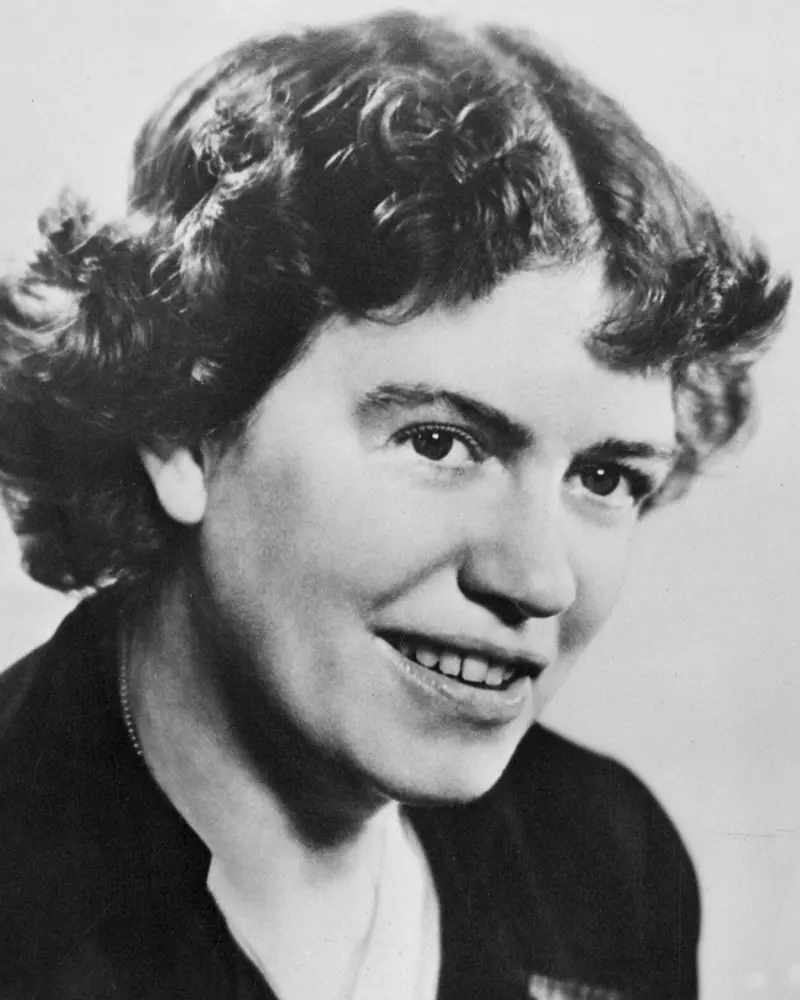
Margaret Mead
America’s most famous anthropologist showed that gender roles are shaped by culture – and loved both men and women.
Margaret Mead grew up in Pennsylvania in a family of academics. At Barnard College in New York she studied with the anthropologist Ruth Benedict, who became her mentor, friend and lover.
In 1925, at 23, she travelled alone to Samoa for fieldwork. Her book “Coming of Age in Samoa” (1928) argued that adolescence there was less troubled than in America because of more relaxed attitudes to sexuality. It became a bestseller and made her famous. In “Sex and Temperament” (1935), based on research in New Guinea, she showed that what counts as “male” and “female” behaviour differs greatly from culture to culture.
Mead was married three times, the last time to the anthropologist Gregory Bateson, with whom she had a daughter. Her relationship with Ruth Benedict continued for decades. From the 1950s until her death she lived with the anthropologist Rhoda Métraux. Their daughter Mary Catherine Bateson later wrote openly about her mother’s relationships with women.
As curator at the American Museum of Natural History and a tireless public speaker, Mead became America’s best-known scientist. She died in New York in 1978, aged 76, and was posthumously awarded the Presidential Medal of Freedom.