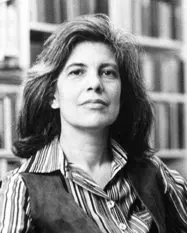
- Born
- 16 January 1933New York City, USA
- Died
- 28 December 2004New York City, USA · aged 71
Susan Sontag
Susan Sontag made criticism a form of public intervention, writing about images, illness and art while guarding much of the intimate life later revealed in her journals.
Susan Sontag was born in New York City in 1933. She grew up partly in Tucson and Los Angeles, becoming an intense reader at an early age. University study took her to Chicago, where she married the sociologist Philip Rieff while still a teenager. Their son, David, was born during the marriage, which ended in divorce.
In New York, Sontag developed a public identity as an essayist whose interests crossed boundaries between literature, philosophy, film and popular culture. “Notes on ‘Camp’”, published in 1964, examined a sensibility long associated with gay cultural life and brought it into a much wider critical conversation. Her collection “Against Interpretation” argued for greater attention to the experience and form of art.
The essays did not simply announce a stable set of tastes. They tested ideas against particular works, often challenging the habits through which respectable opinion decided what counted as serious culture. Sontag moved between European experimental cinema, American writing and political argument with an urgency that helped make the critic herself a conspicuous public figure.
“On Photography” examined the power of images to shape perception and turn other people’s lives into objects of viewing. “Illness as Metaphor”, followed by “AIDS and Its Metaphors”, challenged the moral meanings attached to disease. These books made language itself a site of conflict: descriptions could stigmatise the ill as well as appear to explain their condition.
Her work also included novels, plays and films. “In America” won the National Book Award in 2000. During the siege of Sarajevo, she directed a production of “Waiting for Godot”, treating artistic work as a form of solidarity with a city under attack. Her service as president of American PEN likewise connected literary freedom with organised public action.
Relationships with women were an important part of her private life. Her journals record her attachment to Harriet Sohmers, while the playwright María Irene Fornés became another significant partner. From 1989, her close, sometimes difficult relationship with the photographer Annie Leibovitz continued over the remaining years of her life. Sontag’s public discussion of intimacy was more guarded than the record later available through diaries and biography.
Her son edited the published journals, making visible an inward life of desire, ambition and self-questioning beside the formidable public voice. Sontag died of leukaemia in New York on 28 December 2004, aged seventy-one. Her books continue to ask how looking, describing and judging affect the people and experiences placed before us.