- Born
- 19 January 1923Póvoa de Atalaia, Portugal
- Died
- 13 June 2005Porto, Portugal · aged 82
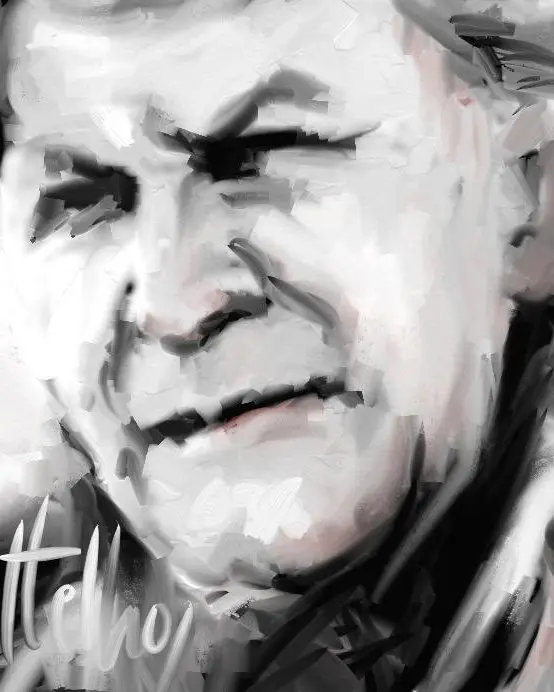
Eugénio de Andrade
A Portuguese poet whose spare, sensual writing found meaning in the body and the natural world.
Eugénio de Andrade was born in Póvoa de Atalaia in 1923. Originally named José Fontinhas, he spent his early years in Portugal’s Beira region before moving with his mother to Lisbon. He began publishing as a young man and adopted the name by which his poetry became known.
“As mãos e os frutos” (1948), often translated as “Hands and Fruit”, brought him wider recognition. His poems are usually brief, but their clarity depends on careful attention to rhythm and sound. Water, light, fruit and the human body recur as ways of expressing desire and the passage of time.
For decades Andrade worked in the health service, settling in Porto in 1950. Alongside his own writing, he translated poets including Sappho and Federico García Lorca.
He kept his intimate life private. Later accounts have discussed his homosexuality and the desire between men that readers recognise in his work, without making every unnamed addressee in a poem into a biographical fact. In 2001 he received the Camões Prize for his contribution to Portuguese-language literature. He died in Porto in 2005, aged 82.