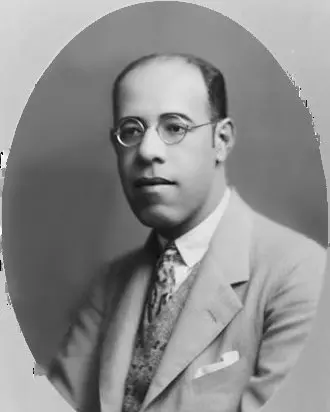
- Born
- 9 October 1893São Paulo, Brazil
- Died
- 25 February 1945São Paulo, Brazil · aged 51
Mário de Andrade
The father of Brazilian modernism wrote “Macunaíma” – and a letter about his homosexuality that was kept locked away for decades.
Mário de Andrade grew up in São Paulo, studied music and taught piano. He became the driving force behind the Modern Art Week of 1922, which shook up Brazilian art and literature. His poetry collection “Paulicéia Desvairada” (Hallucinated City) was one of the founding works of Brazilian modernism.
His novel “Macunaíma” (1928), about a shape-shifting “hero without any character” from the Amazon, mixed myths, languages and regional cultures into a portrait of Brazil. As a musicologist he travelled through the country recording folk music, and as head of São Paulo’s culture department he founded libraries and archives.
During his lifetime rumours about his homosexuality were used against him, and he never spoke publicly about it. A letter he wrote to his friend, the poet Manuel Bandeira, in 1928, in which he speaks of his “famous homosexuality”, was kept under lock and key for decades by the Casa de Rui Barbosa foundation. It was only made public in 2015.
He died of a heart attack in São Paulo in 1945, aged 51.