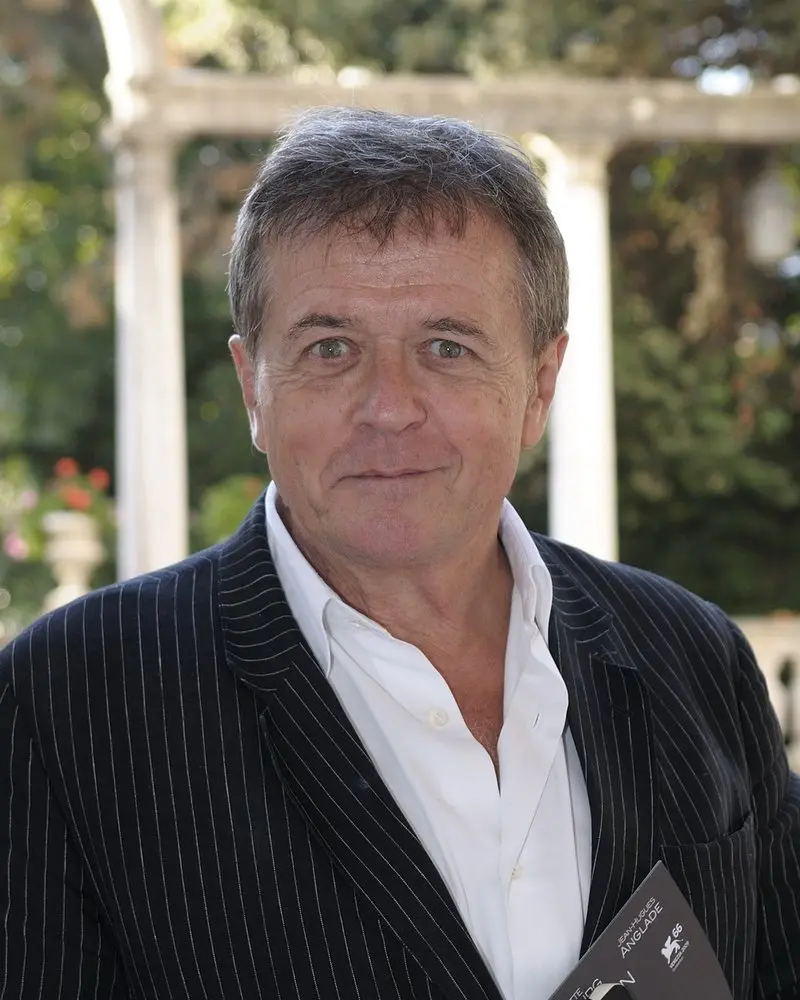
- Born
- 2 November 1944Lézigné, France
- Died
- 7 October 2013Clichy, France · aged 68
Patrice Chéreau
He staged the legendary Bayreuth “Ring” and made films about desire between men with rare intensity.
Patrice Chéreau grew up in Paris, the son of a painter and a designer. While still at school he was running a student theatre group and at 22 he became director of a theatre in a Paris suburb. He became one of the most important theatre directors in Europe.
In 1976, at 31, he directed the centenary production of Wagner’s “Ring” at the Bayreuth Festival. He set the mythological story in the industrial age; at the premiere it was booed, but five years later it received an ovation lasting over an hour and is regarded as one of the great opera productions of the century. From 1982 he ran the Théâtre des Amandiers in Nanterre, where he staged plays by Bernard-Marie Koltès, among others.
Chéreau was openly gay, and desire between men is a central theme of his films: in “L’Homme blessé” (The Wounded Man, 1983), about a young man’s obsessive love for an older hustler, and in “Those Who Love Me Can Take the Train” (1998). His historical epic “La Reine Margot” (1994) won the Jury Prize at Cannes, “Intimacy” (2001) the Golden Bear in Berlin.
He died of lung cancer near Paris in 2013, aged 68.