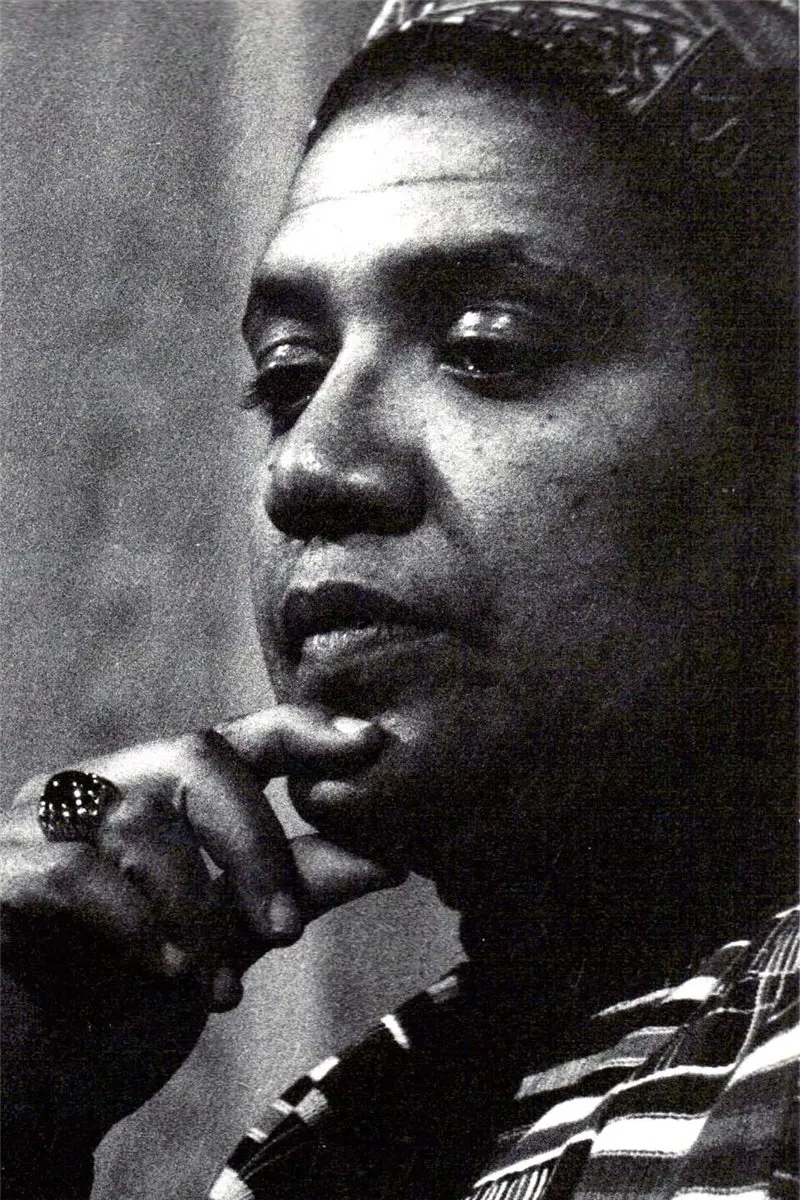
- Born
- 18 February 1934New York City, USA
- Died
- 17 November 1992Christiansted, St. Croix, US Virgin Islands · aged 58
Audre Lorde
Her poetry and essays made Black lesbian experience central to arguments about power, difference and solidarity.
Audre Lorde was born in New York City in 1934. Raised in Harlem by parents from the Caribbean, she began writing poetry as a teenager, trained as a librarian and published her first collection in 1968.
Her poems bring together love between women, motherhood, racism, illness and anger. In essays collected in “Sister Outsider” (1984), including “The Master’s Tools Will Never Dismantle the Master’s House” and “Uses of the Erotic”, she challenged feminist movements to confront differences of race, class and sexuality rather than overlook them.
“Zami: A New Spelling of My Name” (1982), which she called a biomythography, combined autobiography, history and myth in an account of becoming a Black lesbian in New York. “The Cancer Journals” (1980) examined breast cancer, treatment and the expectations placed on women’s bodies.
From 1984 Lorde spent extended periods in Berlin, encouraging Black German women to articulate their experiences and connect with one another. She supported the work that became “Farbe bekennen” (1986), an important book in the emerging Afro-German movement. Lorde died of cancer on St. Croix in 1992. Her insistence that difference could become a basis for solidarity continues to shape feminist and queer thought.