- Born
- 8 February 1911Worcester, Massachusetts, USA
- Died
- 6 October 1979Boston, USA · aged 68
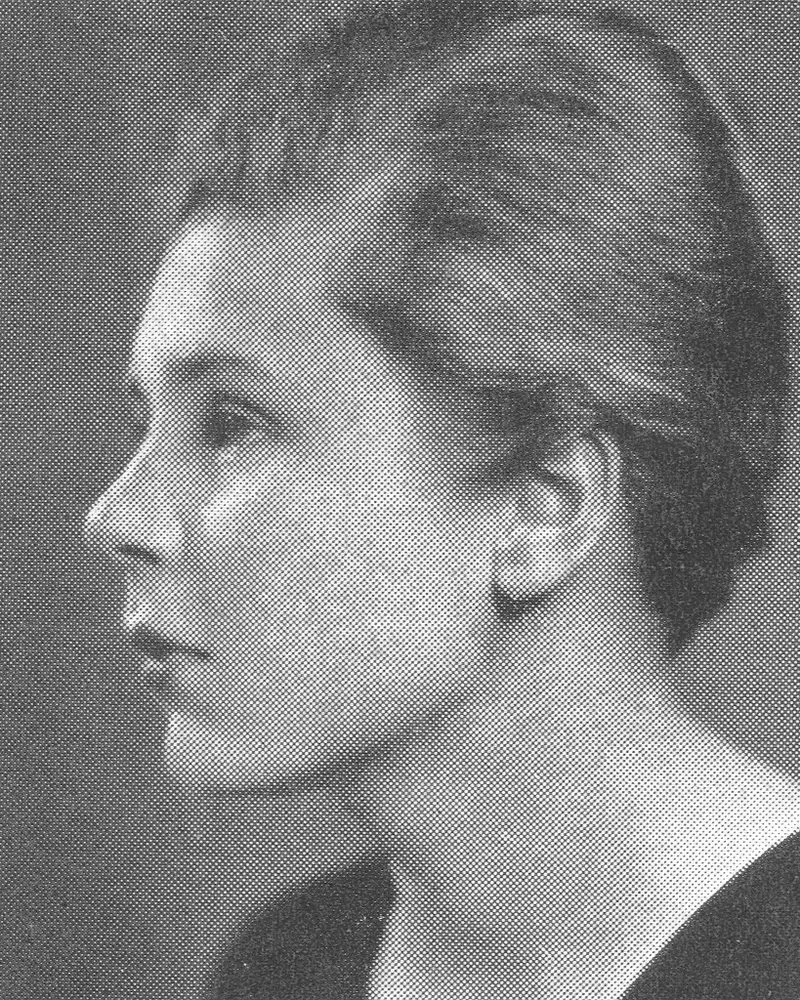
Elizabeth Bishop
A poet whose precise observations carry the weight of love, travel and loss.
Elizabeth Bishop was born in Worcester, Massachusetts, in 1911. Her father died when she was a baby, and her mother was later admitted to a psychiatric hospital. Bishop spent her childhood with relatives in Nova Scotia and Massachusetts, places that remained important in her writing.
At Vassar she met Marianne Moore, who became a friend and mentor. Bishop published relatively little, revising her poems with great care. Maps, animals and ordinary interiors became ways of approaching larger questions of belonging and loss. “Poems: North & South—A Cold Spring” won the Pulitzer Prize in 1956.
In 1951 she travelled to Brazil and stayed for much of the next fifteen years. There she shared her life with Lota de Macedo Soares, who helped create Rio de Janeiro’s Flamengo Park. Their relationship brought companionship but also serious difficulties; Soares died in 1967.
Bishop later taught at Harvard. “Geography III” (1976) includes “One Art”, in which a formal exercise in losing gives way to personal grief. She guarded her privacy, but her letters and poems reveal the importance of her relationships with women. She died in Boston in 1979.