- Born
- 10 June 1899Leipzig, Germany
- Died
- 10 November 1928Berlin, Germany · aged 29
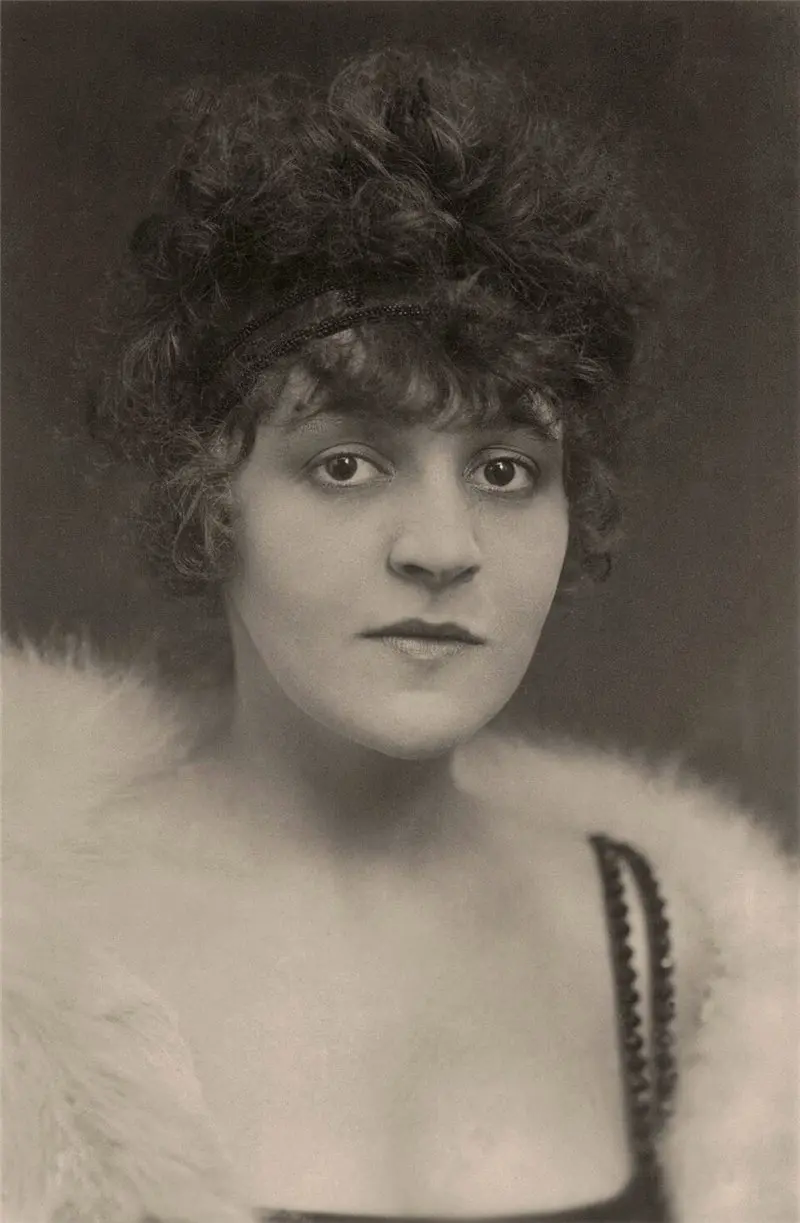
Anita Berber
Her dance, films and public image challenged the boundaries of respectability in Weimar Berlin.
Anita Berber was born in Leipzig in 1899. The daughter of musicians, she grew up in Dresden and Berlin, trained as a dancer and made her film debut in 1918.
The following year she appeared in Richard Oswald’s “Anders als die Andern” (Different from the Others), made with the involvement of the sexologist Magnus Hirschfeld. One of the earliest films to argue against the persecution of homosexual men, it formed part of a wider campaign against Germany’s criminal law.
In the early 1920s Berber and Sebastian Droste developed the performances collected under the title “Dances of Vice, Horror and Ecstasy”. Nudity and works named “Cocaine” and “Morphine” made their shows notorious. Berber’s relationships with women and men, along with her androgynous clothing, also challenged conventional expectations of women. Otto Dix’s 1925 portrait fixed one version of her public image in a vivid red dress.
Her life was marked by alcohol and drug use, unstable work and illness. She became seriously ill with tuberculosis while touring and died in Berlin in 1928, aged 29. The scandal surrounding her has often overshadowed her work as a dancer and screen performer.