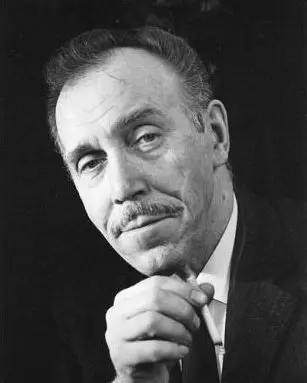
- Born
- 8 May 1920Kaarina, Finland
- Died
- 7 November 1991Helsinki, Finland · aged 71
Tom of Finland
Tom of Finland gave male same-sex desire an exuberant visual language, turning carefully drawn fantasies into an influential part of gay art and popular culture.
Tom of Finland was born in Kaarina, Finland, in 1920. His name was Touko Laaksonen, and both his parents were teachers. Music and drawing belonged to his upbringing, while the workers and outdoor life around him supplied images of masculinity that would later return in highly transformed versions within his art.
He trained for commercial work and served in the Finnish military during the Second World War. Uniforms became one element of an imaginative world that also included sailors, labourers and motorcyclists. After the war, Helsinki provided work in advertising and opportunities to play piano, allowing him to sustain an artistic life before the drawings became financially viable on their own.
In 1957, his work appeared in “Physique Pictorial”, the American magazine associated with photographer and publisher Bob Mizer. The name “Tom of Finland” emerged through that publication. It allowed an international readership to recognise a consistent artistic identity while separating the erotic work from the everyday life of Touko Laaksonen.
His figures were muscular, confident and often extravagantly proportioned. Leather, boots and uniforms supplied a recognisable vocabulary, but facial expressions and comic situations could make the encounters playful as well as commanding. The drawings imagined men enjoying desire without the shame and punishment that dominated many public representations of homosexuality.
That freedom belonged to fantasy rather than to a documentary account of gay life. The images could exaggerate strength, sexual availability and the absence of inhibition, while their influence extended into clothing, photography and the ways men presented themselves. Their circulation helped create a shared visual language across places where direct public expression remained difficult.
Laaksonen met his partner Veli Mäkinen in 1953. They shared their lives for twenty-eight years, until Veli’s death in 1981. International recognition grew gradually, and Laaksonen continued commercial employment well into his artistic career before being able to devote himself fully to the work for which he became known.
In 1984, he and Durk Dehner established the Tom of Finland Foundation in Los Angeles. Its preservation work extended beyond his own drawings to erotic art vulnerable to neglect or destruction. The institution developed from relationships among artists, collectors and supporters rather than from acceptance by the established art world alone.
Laaksonen died in Helsinki on 7 November 1991, aged seventy-one. Later museum collections and exhibitions widened recognition of his work. Finland’s postal service issued stamps featuring his drawings in 2014, bringing a once marginalised erotic imagination into an especially public form of national representation.