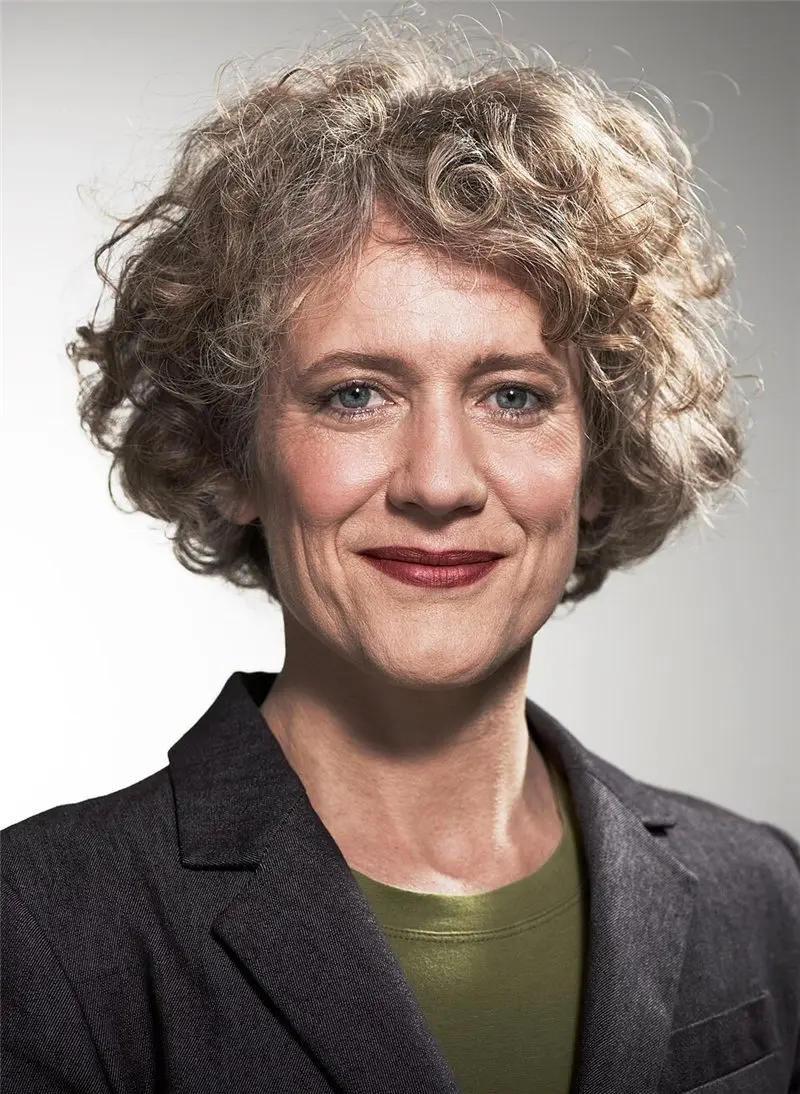
Corine Mauch
Zurich’s first woman mayor combined openly lesbian visibility with seventeen years of municipal government, shaped by housing, culture and social diversity.
Corine Mauch was born in Iowa City, Iowa, in 1960. Her Swiss family returned to Aargau when she was a child. An early interest in nature and the environment helped lead her to agricultural economics at ETH Zurich, where she studied during the 1980s. Environmental campaigns and the women’s movement also contributed to her political outlook.
Her professional work linked research with practical administration. As Uster’s environmental and waste officer, she helped develop municipal recycling and waste systems. She subsequently worked in research and teaching in human ecology at ETH and in environmental consulting. These experiences gave her a perspective on the connections between social choices, public policy and the physical environment before she entered the city’s executive government.
A member of the Social Democratic Party, Mauch was elected to Zurich’s city parliament in 1999. Work on urban development and financial scrutiny brought her into the details of municipal decision-making. In 2009 she won election as Stadtpräsidentin, becoming the first woman to lead Zurich. She was openly lesbian throughout her mayoral career, making a previously unusual form of public visibility part of the ordinary life of the city’s highest office.
Repeated re-election kept her in the post for seventeen years. Her responsibilities included representing Zurich, but the work also involved the pressures of governing a growing city. Affordable housing and the preservation of social diversity were recurring priorities. Under her leadership, the executive adopted its first housing strategy in 2012 and developed ways to monitor the risk that residents would be displaced.
Culture formed another substantial part of her brief. Her administration supported the independent arts scene through studios and funding measures, while major projects included work on the Kongresshaus and Tonhalle, the Kunsthaus extension and the new Tanzhaus. Such projects placed questions about access, working conditions and public spending alongside the city’s international cultural reputation.
The Covid-19 pandemic brought different demands, including support for particularly affected cultural organisations, hospitality businesses and small enterprises. In its official farewell in 2026, the city also highlighted her efforts on disability equality, the representation of women in senior municipal roles and cooperation with neighbouring authorities. These are the city government’s assessment of her record, rather than a substitute for political debate about it.
Mauch left office in 2026, when Raphael Golta succeeded her. Her tenure connected personal visibility with a long period of administrative responsibility. Its significance can be seen in both: an openly lesbian woman became a familiar civic leader while decisions about housing, cultural life and the management of growth remained central to her daily work.