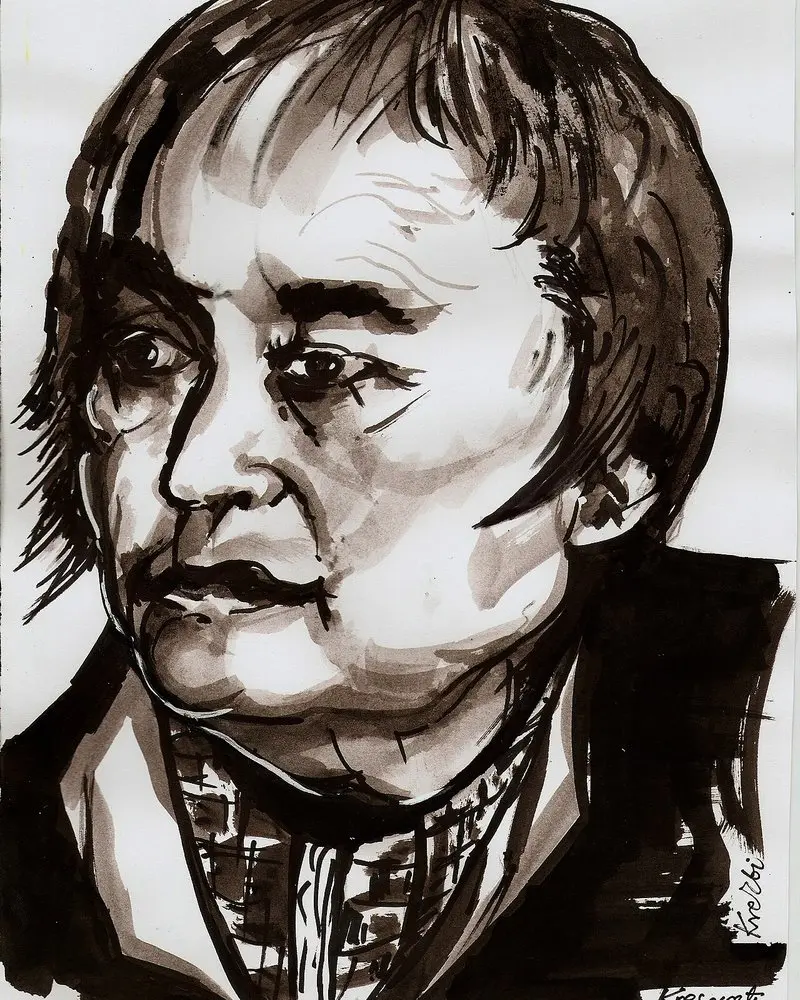
- Born
- 24 December 1926Mońki, Poland
- Died
- 23 August 2020Warsaw, Poland · aged 93
Maria Janion
Poland’s great scholar of Romanticism challenged nationalism and the Catholic Church – and came out as a lesbian in her eighties.
Maria Janion grew up in Vilnius, then part of Poland, and lived through the Second World War there as a teenager. After the war she studied in Łódź and Warsaw and became one of the most influential literary scholars in Poland, a professor at the Polish Academy of Sciences.
Her subject was Polish Romanticism, which she read in new ways: not as a source of national pride, but as a key to Polish myths, fantasies and traumas. Her seminars in Gdańsk, known as the “Transgressions” seminars, became legendary meeting places for critical thinking under the communist regime.
In later life she turned her criticism against nationalism, antisemitism and the power of the Catholic Church in Poland. In “Uncanny Slavdom” (2006) she argued that Poles had suppressed their own pre-Christian and Eastern roots. She was a committed feminist and chaired the jury of Poland’s most important literary prize, the Nike Award.
In a book of conversations published in her eighties, she said openly that she was a lesbian – a strong signal in a country where LGBTQ people were increasingly under political attack. She died in Warsaw in 2020, aged 93.