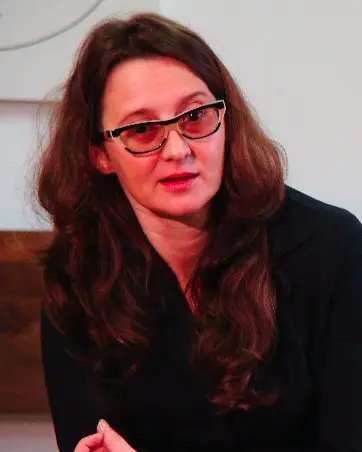
Lucrecia Martel
One of the most acclaimed filmmakers in the world, she turns the sticky heat of northern Argentina into unsettling cinema.
Lucrecia Martel grew up in a large Catholic middle-class family in Salta in northern Argentina. As a teenager she filmed her family with a video camera. She studied communication and animation in Buenos Aires and made short films.
Her first feature film, “La Ciénaga” (The Swamp, 2001), about a decadent family spending a hot summer in a crumbling country house, was a sensation at the Berlin Film Festival and became a key work of the New Argentine Cinema. “The Holy Girl” (2004) and “The Headless Woman” (2008) followed, both of which competed at Cannes. Her films are known for their precise sound design and for showing class, religion and repressed desire without spelling anything out.
After nine years she presented “Zama” (2017), an adaptation of a classic Argentine novel about a colonial official waiting in vain for his transfer. Critics count her among the most important directors working today. In 2019 she was president of the jury at the Venice Film Festival.
Martel has spoken openly about being a lesbian and about the place of women and sexual diversity in Latin American cinema.