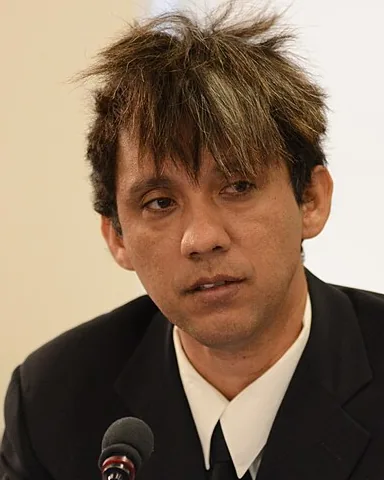
Caleb Orozco
Attacked and threatened, he went to court alone against Belize’s colonial sodomy law – and won: “the first day of my life in which it is legal for me to be me.”
Caleb Orozco became politically active at 31, after attending a workshop in Belize City for gay men and people living with HIV. In 2006 he co-founded the United Belize Advocacy Movement (UNIBAM), for many years the only LGBT advocacy group in the country, which he ran from his home.
At an HIV conference in Jamaica in 2009 he met law professors from the University of the West Indies who were looking for a suitable case to challenge the colonial bans on sex between men in the Caribbean. Section 53 of Belize’s criminal code, dating from British colonial rule, threatened “carnal intercourse against the order of nature” with up to ten years in prison. In 2010 Orozco filed a constitutional challenge. The Catholic Church and US organisations opposed him; when UNIBAM was struck out as a party, Orozco remained the sole claimant.
He paid a price: he was insulted, hit in the face with a bottle and needed surgery; he received death threats, and his car was damaged.
On 10 August 2016 Chief Justice Kenneth Benjamin ruled that Section 53 violated the rights to dignity, privacy, equality and freedom of expression and that protection against discrimination on grounds of “sex” also covered sexual orientation. The government did not appeal. Belize became the first country in the English-speaking Caribbean whose courts struck down such a ban. “This is the first day of my life in which it is legal for me to be me,” Orozco said. In 2016 he received the David Kato Vision and Voice Award.