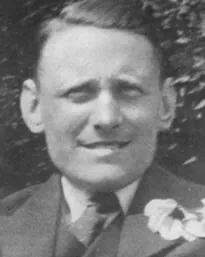
- Born
- 22 August 1894Naarden, Netherlands
- Died
- 1 July 1943Overveen, Netherlands · aged 48
Willem Arondéus
He helped blow up the Amsterdam population register to protect Jews from the Nazis – and before his execution said: “Tell people that homosexuals are not cowards.”
Willem Arondéus was born in Naarden, the son of an Amsterdam fuel merchant. He worked as an illustrator, painter and designer of posters and tapestries and in 1923 painted a large mural for Rotterdam City Hall. He was openly gay, did not achieve much fame and lived in poverty. Around 1935 he turned to writing, publishing two novels and a biography of the painter Matthijs Maris.
After the German occupation of the Netherlands he joined the resistance. In 1942 he founded an underground periodical and, with the sculptor Gerrit van der Veen and the lesbian cellist Frieda Belinfante, forged identity papers for Jews and others in hiding. The forgeries could be checked against the records of the population register in Amsterdam, so the group decided to destroy it.
On 27 March 1943, disguised as policemen, Arondéus and his comrades entered the building, overpowered the guards and set off explosives. They destroyed hundreds of thousands of records. Days later Arondéus was arrested after being betrayed. He took full responsibility, which may have helped save two young doctors from execution.
On 1 July 1943 he was shot by the Germans in the dunes near Overveen, aged 48, together with eleven others. Before his death he asked that people be told that he and two comrades were gay: “Tell people that homosexuals are not cowards.” In 1986 Yad Vashem recognised him as Righteous Among the Nations.